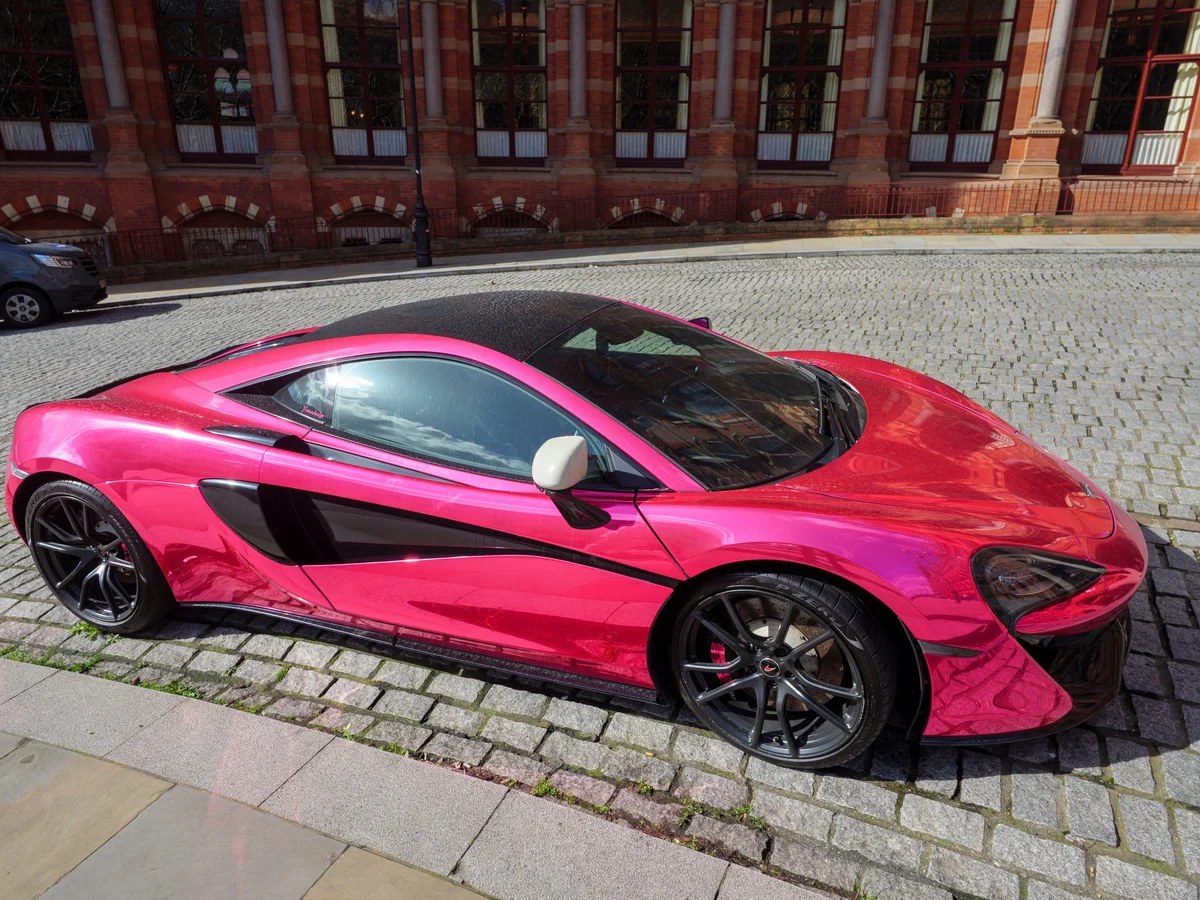
The British supercar manufacturer McLaren is to create 1,000 jobs in a welcome boost to the UK’s struggling automotive industry.
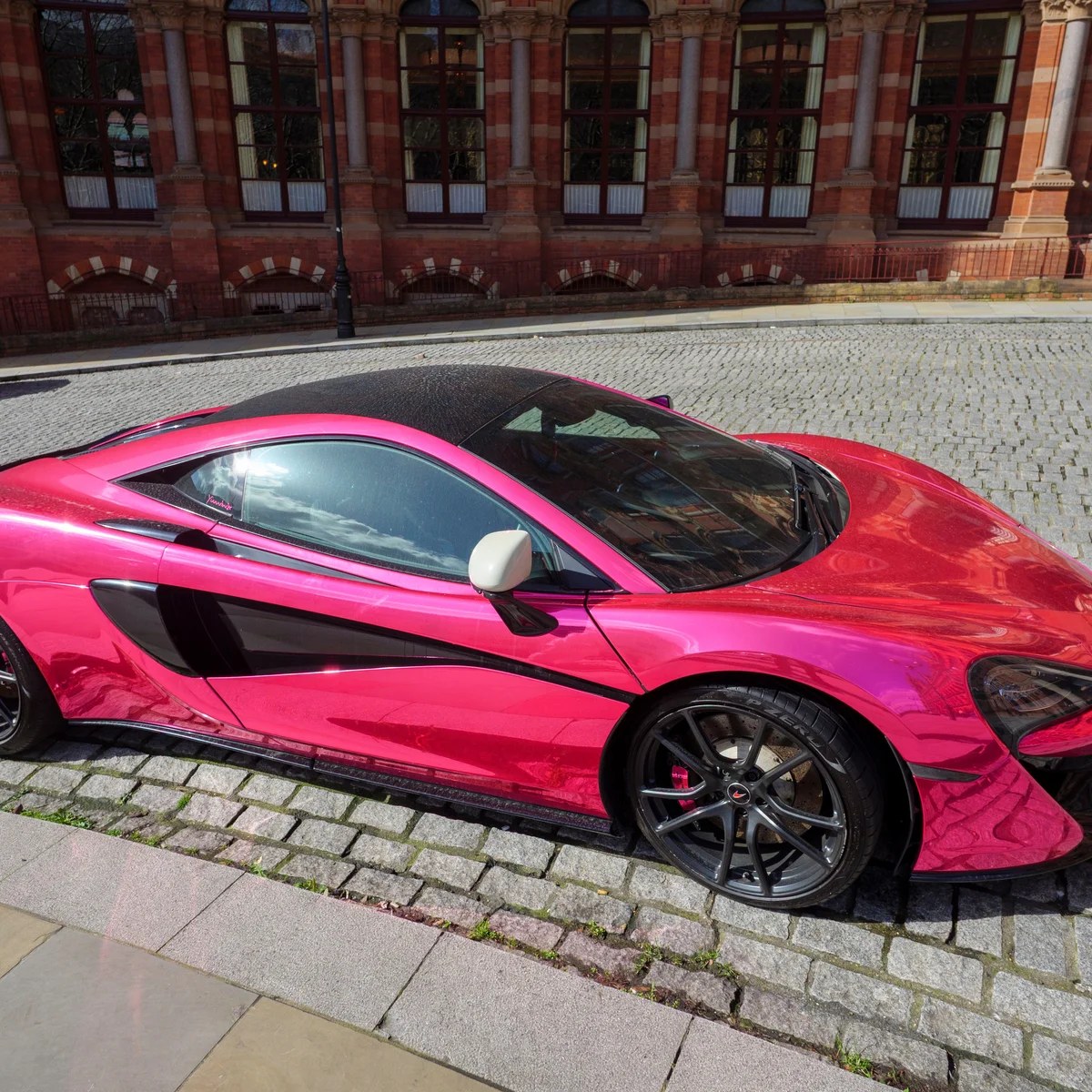
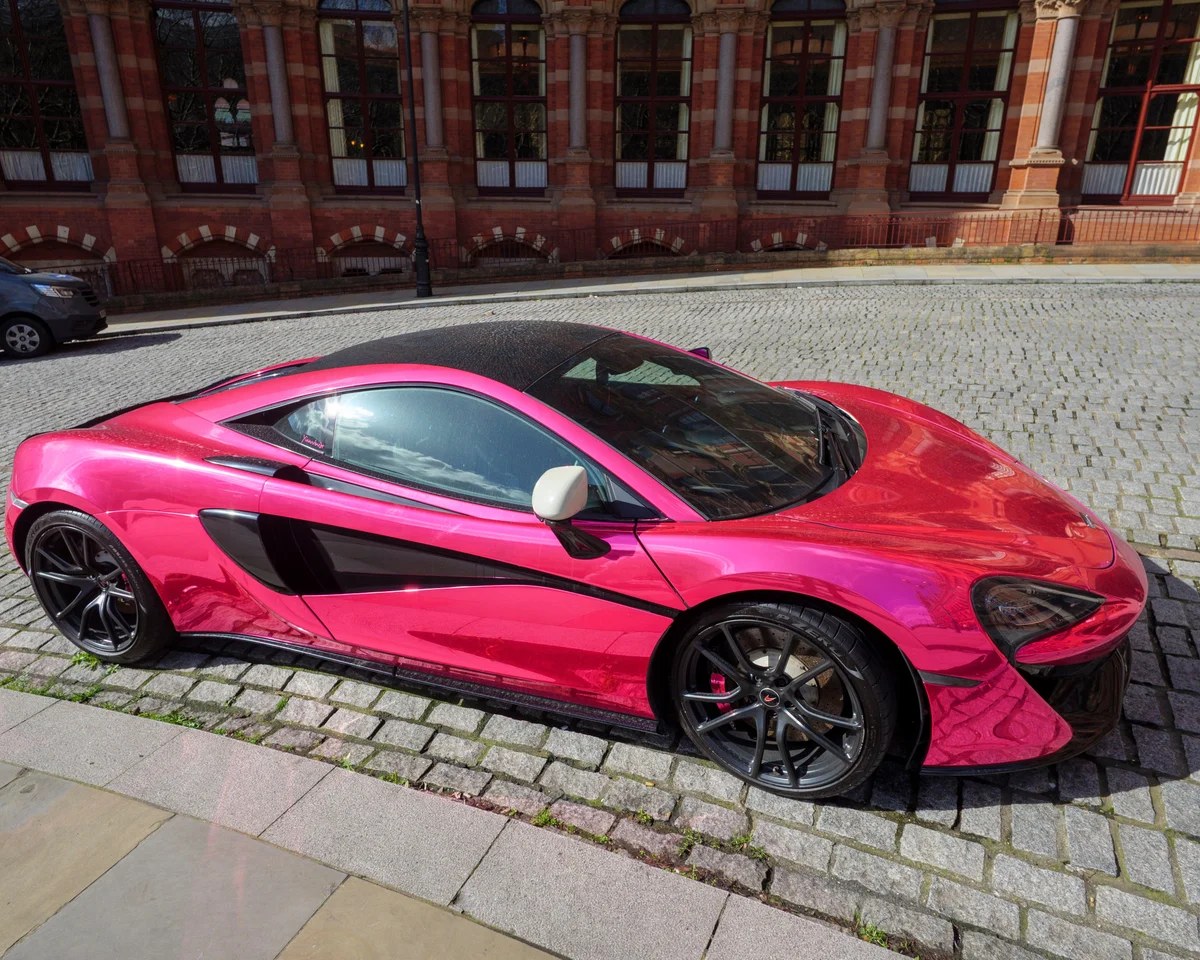
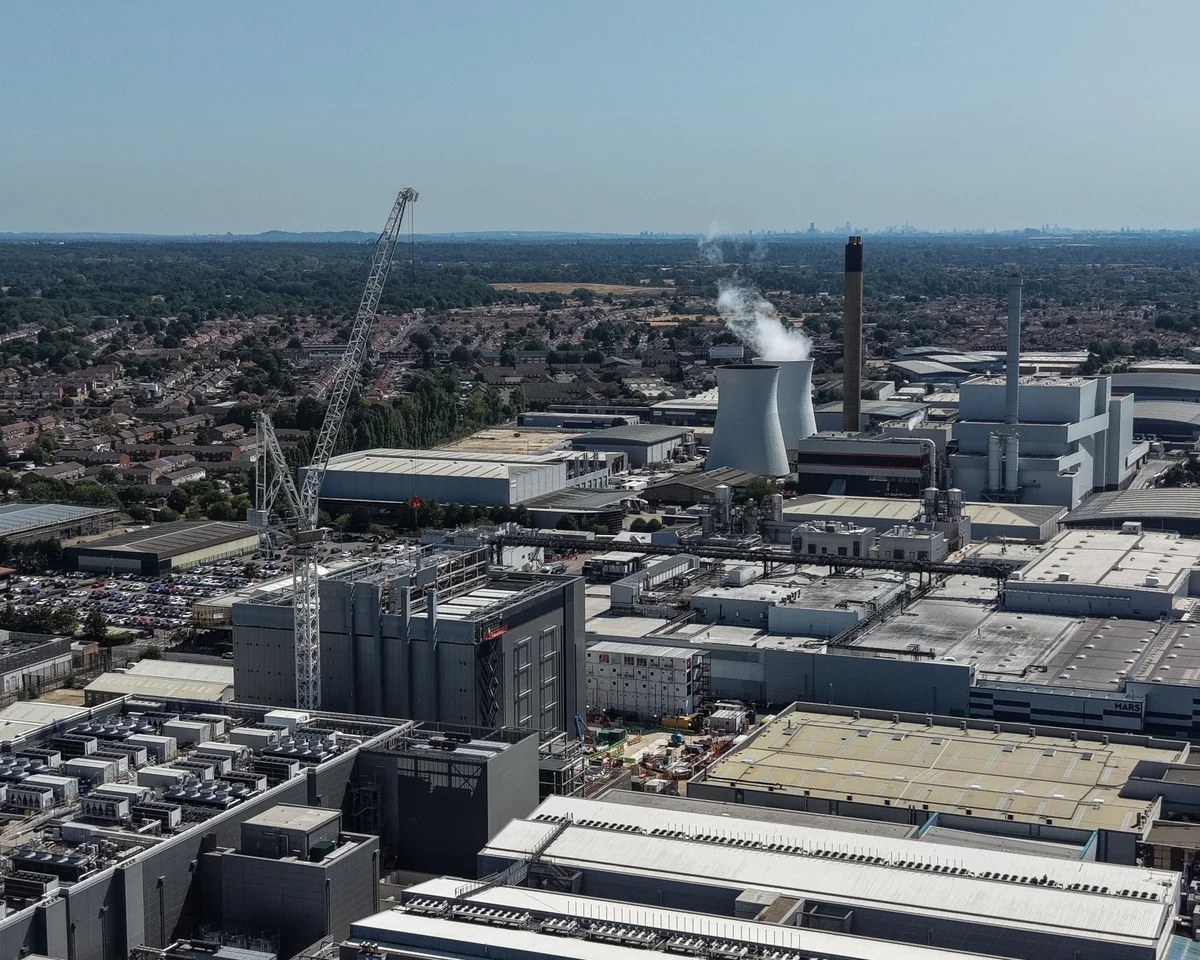
The carmaker is creating the jobs as part of a £450m investment in its technology centre in Woking, near to the plant where it manufactures all of its vehicles.
McLaren, which last year merged with the premium UK electric vehicle startup Forseven Holdings, employs 2,500 staff. The new jobs will include indirect and agency workers, according to the Financial Times, which first reported the investment.
The news comes days after Jaguar Land Rover confirmed plans to cut 4,000 jobs over the next two years. JLR, which is restructuring to address falling sales and financial challenges, including Donald Trump’s tariff wars and the fallout from a cyber-attack last year, employs 44,000 people globally and 34,000 in the UK.
The cuts will mainly affect the 26,000 UK employees who are salaried, and management workers.
Last year, CYVN Holdings, an Abu Dhabi government-owned investment company, acquired McLaren’s automotive business from Bahraini sovereign wealth fund Mumtalakat.
CYVN has said that it plans to invest $2bn (£1.4bn) over the next five years in the loss-making group.
McLaren Automotive, one of the UK’s best-known sports carmakers, is thought to be planning a product overhaul after years of manufacturing only performance cars such as the F1 model, first launched in 1992.
It was last year reported to be planning a new SUV as part of the turnaround plan under its boss Nick Collins, a former JLR executive, though no new information has emerged since then. It appointed a new chief creative officer, David Woodhouse, formerly of Nissan and Ford, over the summer.
CYVN also holds a minority stake in McLaren Racing, the parent company of the Formula One team which has won the last two constructors championships in the sport and is also based in Woking. Mumtalakat still has majority control of McLaren Racing.
European carmakers have faced tough trading conditions as Chinese rivals, such as BYD and Chery, have enjoyed soaring sales across the UK and mainland Europe.
In July, Chery, which also owns the Omoda and Jaecoo brands, accounted for nearly 8% of UK market share, up from 3% last year, according to the Society of Motor Manufacturers and Traders (SMMT).
Last week, Volkswagen announced it would cut 100,000 of its more than 650,000 global workforce by 2030, and halve the number of models it produces. VW group also includes the Bentley, Audi, Skoda, Seat, Porsche, Cupra and Lamborghini brands.
From early next year, UK carmakers face a 10% tariff for electric vehicles shipped to the EU. UK-made vehicles do not qualify for “made in Europe” subsidies, under current proposals.
The UK government is also consulting on loosening its battery EV sales targets for manufacturers, after extensive lobbying by the industry.
The chief executive of the SMMT, Mike Hawes, said earlier this summer that companies with existing UK operations were considering building new models, but were holding back until ministers relaxed EV sales rules.
Lachlan Buirds, managing director of manufacturer Edale, said: “McLaren’s investment is a welcome reminder that UK manufacturing is a sector with a future.
“Recent redundancy announcements understandably attract attention, but they risk giving young people the impression that UK manufacturing is an industry in decline. In reality, modern manufacturing increasingly depends on engineering, automation, software and digital technology, creating a much broader range of career opportunities.”