Asian technology stocks tumbled Friday, tracking a sharp sell-off on Wall Street overnight that sent the tech-heavy Nasdaq Composite into correction territory as renewed concerns over artificial intelligence spending rattled investor sentiment.
South Korean chipmaker SK Hynix plunged over 8%, while Samsung Electronics shed 7%. LG Innotek and LG Display fell 10% and 7.7%, respectively, as selling pressure spread across the country's technology sector.
The rout came as investors worried that Democrats' sweeping victory in the U.S. midterm elections could lead to tighter restrictions on data-center development, potentially slowing demand for AI chips and related infrastructure.
In Japan, semiconductor-related stocks also fell, with chip-testing equipment maker Advantest plunging 12.2%, while Tokyo Electron slid 7.3%. Technology investment giant SoftBank Group tumbled 11.6%.
Shares of memory chipmaker Kioxia Holdings fell nearly 10%, while Renesas Electronics declined 7.5%.
In Taiwan, semiconductor stocks also came under heavy selling pressure, with contract chipmaker TSMC sliding 9.6%. Electronics manufacturers Hon Hai Precision Industry, also known as Foxconn, and Foxconn Technology fell 9.4% and 9.1%, respectively, as the regional technology rout deepened.
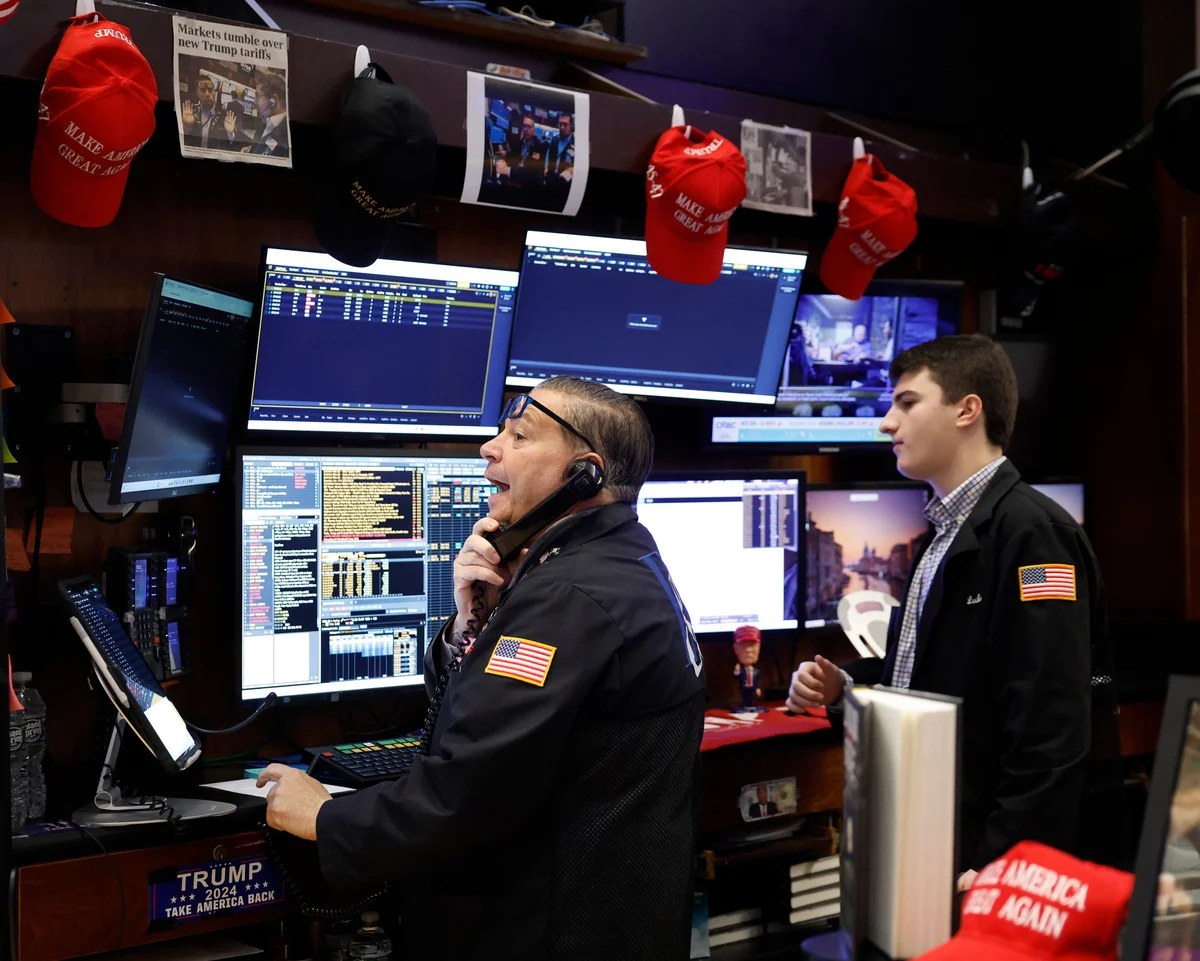
The declines followed a brutal session on Wall Street, where the Nasdaq Composite sank 5.5%, amid mounting concerns over the sustainability of the AI investment boom and returns on massive data-center spending. It closed more than 10% below its recent peak. The Philadelphia Semiconductor Index plunged 12.2%.
The sell-off in Asian equities has been exacerbated by investors unwinding positions, stop-loss selling and heightened volatility, Timothy Moe, chief Asia Pacific equity strategist at Goldman Sachs, told CNBC's "Squawk Box Asia" on Friday.
He added that potential political opposition to U.S. data center construction may affect demand and profits for Asian AI hardware suppliers.
"If there's concern about the speed and magnitude of buildout in the U.S., then obviously that's going to put all that into question," he said. "The market's tendency is always to shoot first and ask questions later. I think that's exactly what's happening now."