Amazon's cloud-computing unit reported more rapid third-quarter growth than analysts had projected.
Revenue came in at $45.98 billion, up 39% year over year and above the $45.29 billion consensus among analysts polled by StreetAccount, according to a statement. Growth in the second quarter came in at about 37%.
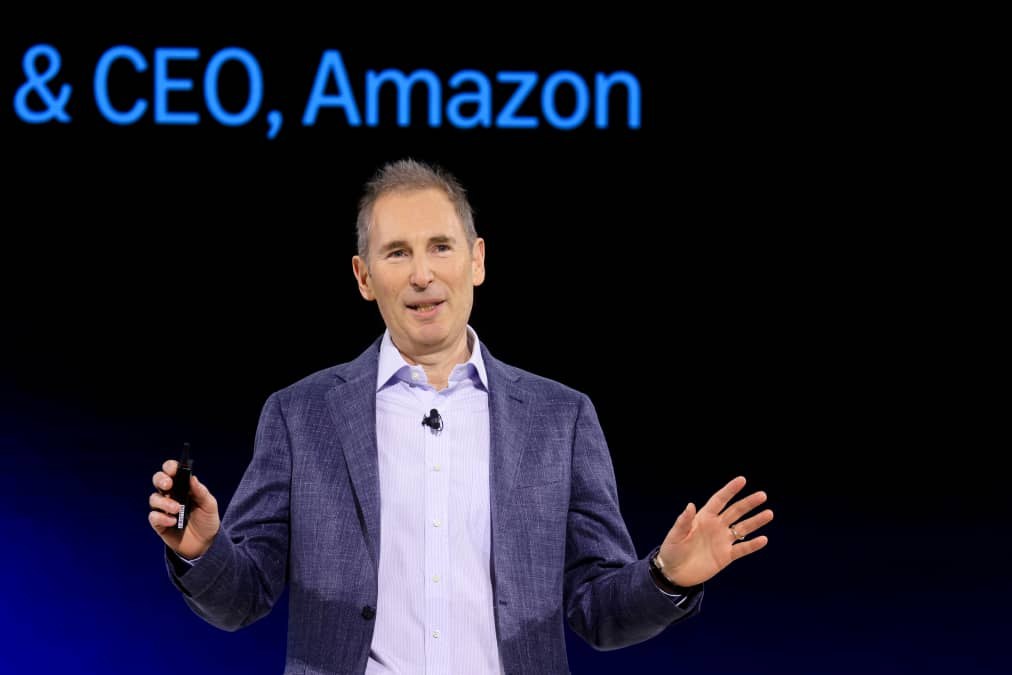
"Our core compute and storage revenue grew at their fastest rates in several years," Amazon CEO Andy Jassy said on a conference call with analysts. The AWS growth rate was the highest since the fourth quarter of 2021.
Amazon remains the top cloud by revenue, but growth has also sped up at rivals Alphabet and Microsoft. On Wednesday Alphabet said the Google Cloud business, which contains infrastructure and Google Workspace subscriptions, more than doubled in the third quarter.
All the major clouds have been racing to build data centers that can accommodate high artificial intelligence demand. During the quarter, AWS announced plans to expand its portfolio of Nvidia graphics processing units that can handle AI workloads.
AWS also acquired data analysis startup DuckLabs and signed deals with Meta and OpenAI, according to the statement.
The AWS segment generated $17.77 billion in third-quarter operating income, up 55% and more than the $16.97 billion StreetAccount consensus.
The unit now accounts for almost 23% of Amazon's revenue, a record.
On Wednesday, Microsoft published its first earnings report that contained revenue from its Azure cloud in dollars. Azure is 72% the size of AWS, up from 58% two years ago.
AWS came before Azure and the Google Cloud Platform, with its first services appearing in 2006.
"With our continued pace of innovation, new core and AI functionality, enterprises wanting to run their core and AI workloads in AWS, and the amount of capacity that we're adding each year, we believe that AWS can grow north of 40% in each of 2027 and in 2028, and be a trillion-dollar revenue business in the next five to 10 years," Jassy said.
Google has been pumping up its cloud revenue by making its tensor processing units for AI available outside its own facilities. Now Amazon will adopt the strategy with its Trainium chips for training models, starting in late 2027.
"With Trainium demand so strong, customers continue encouraging us to make it available outside of AWS. We intend to do so late in 2027," Jassy said.
WATCH: Big Tech earnings put AI spending and profitability in focus: Analyst